Before You Vibecode: How to Know If Your Idea Is Worth Building (2025)
Vibecoding made building easy. Picking the right idea is still hard. The 30-minute validation process every vibecoder should run first.
You can ship a working app in a weekend now. Cursor, Replit, Claude, Lovable. The code writes itself. The bottleneck moved.
It's no longer "can I build this?" It's "should I build this?"
This guide is for vibecoders who want to stop wasting weekends on ideas nobody will pay for.
What Is Vibecoding?
Vibecoding is an AI-assisted approach to software development where you describe what you want in plain language and let AI generate the code. The term was coined by Andrej Karpathy, OpenAI co-founder, in February 2025.
Instead of writing code line by line, vibecoders prompt, iterate, and ship. Karpathy described it as: "I just see stuff, say stuff, run stuff, and copy-paste stuff, and it mostly works."
By March 2025, Y Combinator reported that 25% of their Winter 2025 batch had codebases that were 95% AI-generated.
Vibecoding is real. It works. But it created a new problem.
The Vibecoder's New Problem
Building used to be the hard part. Now it's free.
In the old world, shipping took months. You had to think carefully before committing. The cost of building forced validation.
In the new world, shipping takes hours. So vibecoders skip the thinking part. They open Cursor, describe an idea, and start prompting.
The result: more projects shipped than ever before. Same failure rate.
42% of startups still fail because they build something nobody wants. That stat hasn't changed since 2014. Vibecoding didn't fix it. Vibecoding made it easier to fail faster.
The problem was never the code. The problem is picking the wrong idea.
Why "Just Ship It" Is Dangerous Advice Now
You've heard it: "Ideas are worthless, execution is everything. Just ship."
This advice made sense when building took 6 months. The bottleneck was execution. Shipping fast was a competitive advantage.
But when everyone can ship in a weekend, execution isn't the differentiator anymore. Idea selection is.
"Just ship it" without validation means:
- ✗You build something 6 competitors already do better
- ✗You target a market that doesn't exist
- ✗You price at a level nobody will pay
- ✗You launch to crickets
- ✗You move on and repeat the same mistake
Vibecoding made the "ship fast" part trivially easy. The "ship the right thing" part is still hard.
What to Validate Before You Vibecode
Before you open Cursor, answer these four questions:
1. Is anyone searching for this?
If nobody's Googling the problem, nobody's looking for your solution. Check Google Trends. Check Reddit. Check Twitter/X. Look for people actively complaining about this problem.
No demand signal = no market.
2. Who's already built this?
If you can't find competitors, that's usually bad news. It means either you're not looking hard enough, or nobody wanted this enough to build it.
Find 3-5 competitors. Note what they charge. Note what they're missing.
3. Will anyone pay for this?
Free users are not validation. Revenue is validation.
Look at competitor pricing. Are people paying $10/month? $100/month? $0? If the market expects free, you have a monetization problem.
4. Can you reach them?
You built it. They didn't come. Now what?
Before you build, know exactly where your customers hang out. Reddit? Twitter? LinkedIn? Newsletters? If you can't name 3 specific channels, you have a distribution problem.
The 30-Minute Vibecoder Validation Stack
Here's a fast validation process you can run before any weekend project:
Search your core keyword. Is the trend flat, rising, or dying? Flat or rising = good. Dying = reconsider.
Google "[your idea] app" or "[your idea] tool." Find 3-5 alternatives. Screenshot their pricing pages. Note their positioning.
No competitors? Search harder. Still nothing? That's a red flag, not a green light.
Search Reddit, Twitter, and Indie Hackers for people discussing this problem. Are they frustrated? Are they asking for solutions? Are they paying for workarounds?
Look for phrases like: "I wish there was..." or "I'd pay for..." or "why doesn't X exist?"
Based on competitor pricing, what could you realistically charge?
- • Competitors charge $0: you need a different business model
- • Competitors charge $10-50/month: viable for solo founders
- • Competitors charge $500+/month: probably needs sales, not self-serve
Score your idea on these four criteria:
- •3-4 "Yes" = Build it this weekend
- •2 "Yes" = Needs more research
- •0-1 "Yes" = Kill it. Find another idea
Want the full framework? Read our complete 5-step validation guide — it covers customer interviews, competitive analysis, and the VC frameworks that separate winners from losers.
When to Skip Validation Entirely
Not every project needs validation. Skip it when:
- •It's a learning project. You're building to learn a new stack, not to make money.
- •It's a personal tool. You are the only user. Your own frustration is enough validation.
- •It's truly for fun. Weekend projects that bring you joy don't need market research.
- •The cost of being wrong is zero. If you can build it in 2 hours and won't be sad if nobody uses it, just ship.
Validation is for projects where you want users, revenue, or both. If you're building for yourself, trust your vibes.
The Vibecoder's Mindset Shift
Old mindset: "I have an idea. Let me build it."
New mindset: "I have an idea. Let me check if it's worth building."
The difference is 30 minutes of research. That 30 minutes saves you from the worst feeling in vibecoding: launching something good to a market that doesn't exist.
Vibecoding gave you a superpower. You can build anything. The question is whether you should.
Common Questions About Vibecoding Validation
How long should validation take?
For weekend projects, 30 minutes is enough. For serious ventures, spend a few days on customer conversations before writing any code.
What if I can't find competitors?
Search harder. Use different keywords. Check Product Hunt, G2, and Capterra. If you truly can't find anyone, ask yourself: "Is this because I found a gap, or because nobody wants this?"
Should I validate every side project?
No. Validate projects where you want paying users. Skip validation for learning exercises and personal tools.
What's the biggest validation mistake vibecoders make?
Asking friends for feedback. Friends lie. They say "that's cool" because they're polite, not because they'd pay. Look for market signals instead: search volume, competitor revenue, community complaints.
Can't I just launch and see what happens?
You can. But "launch and learn" works better when you've done basic validation first. Otherwise you're learning that nobody wanted it, which you could have discovered in 30 minutes without building.
Validate in 60 Seconds Instead
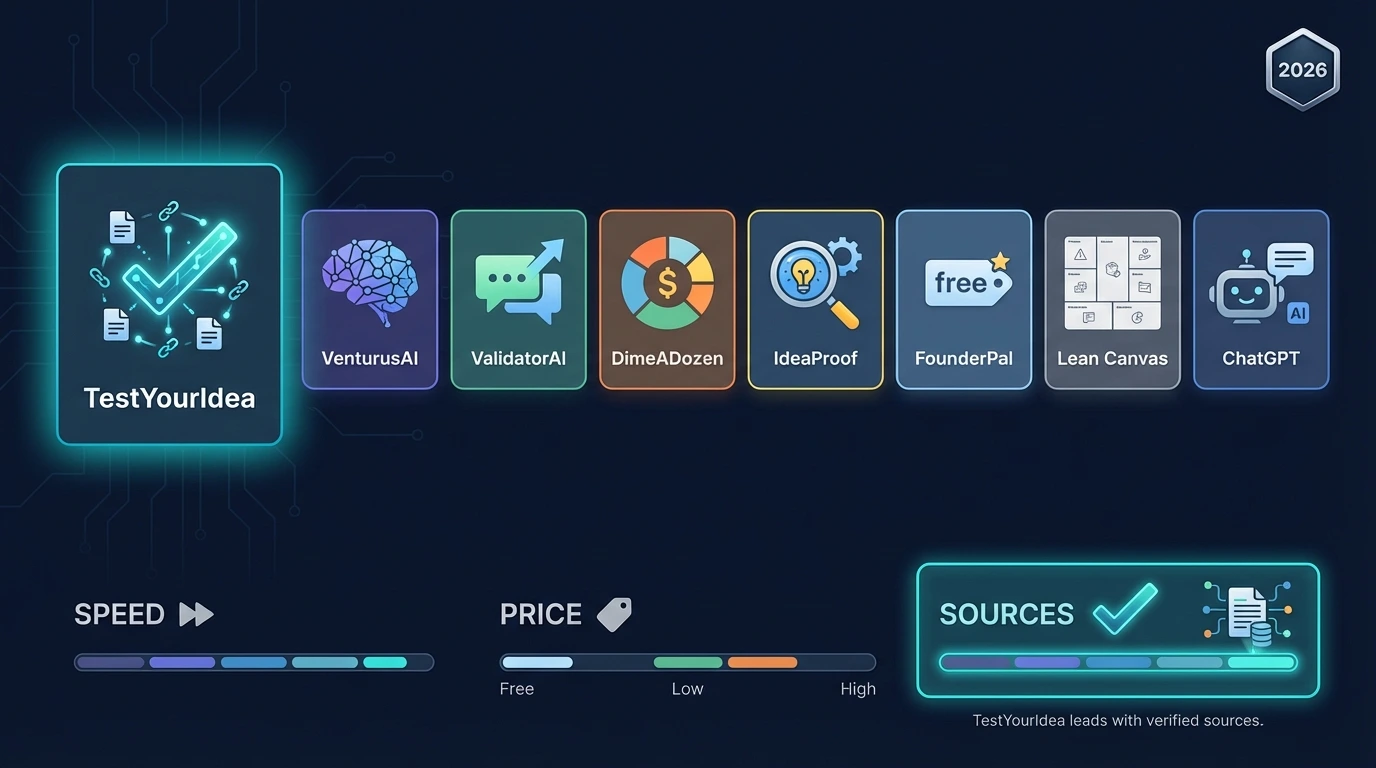
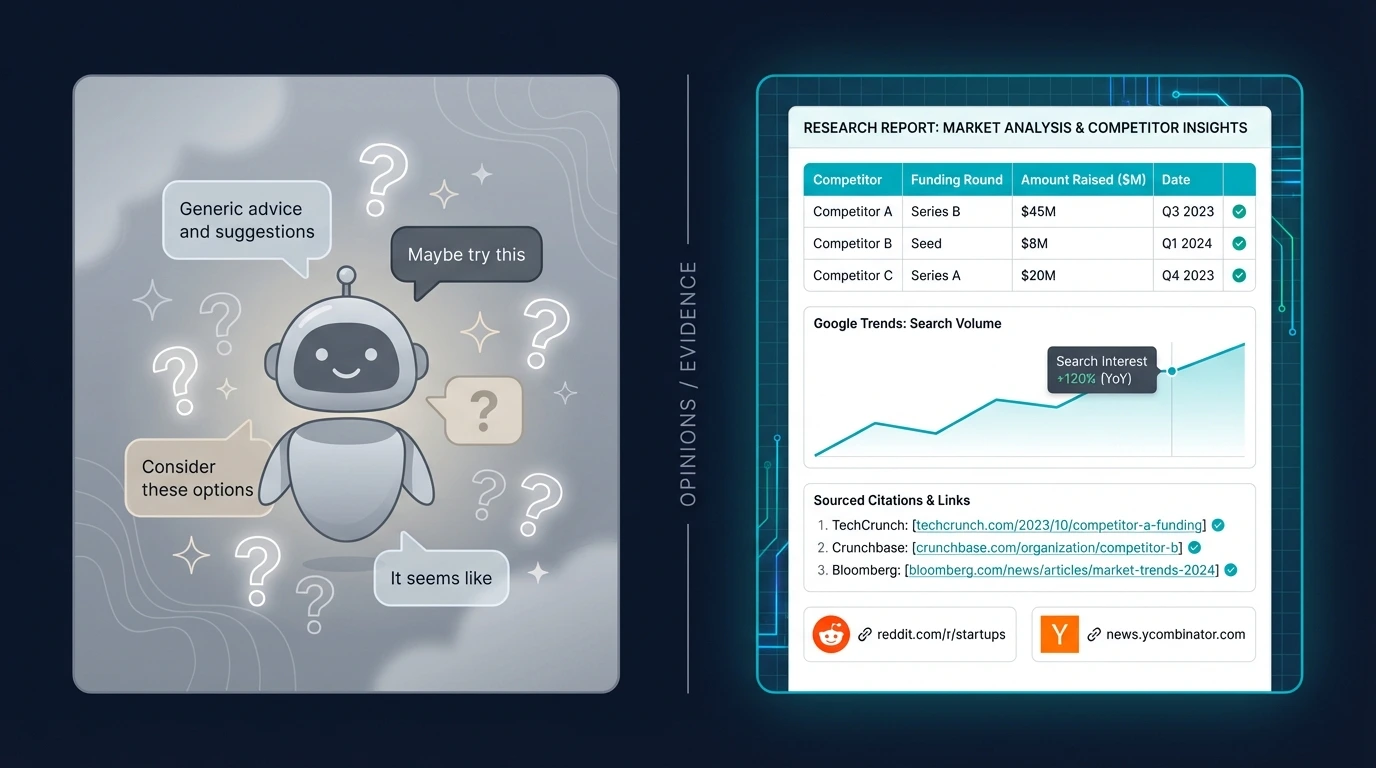
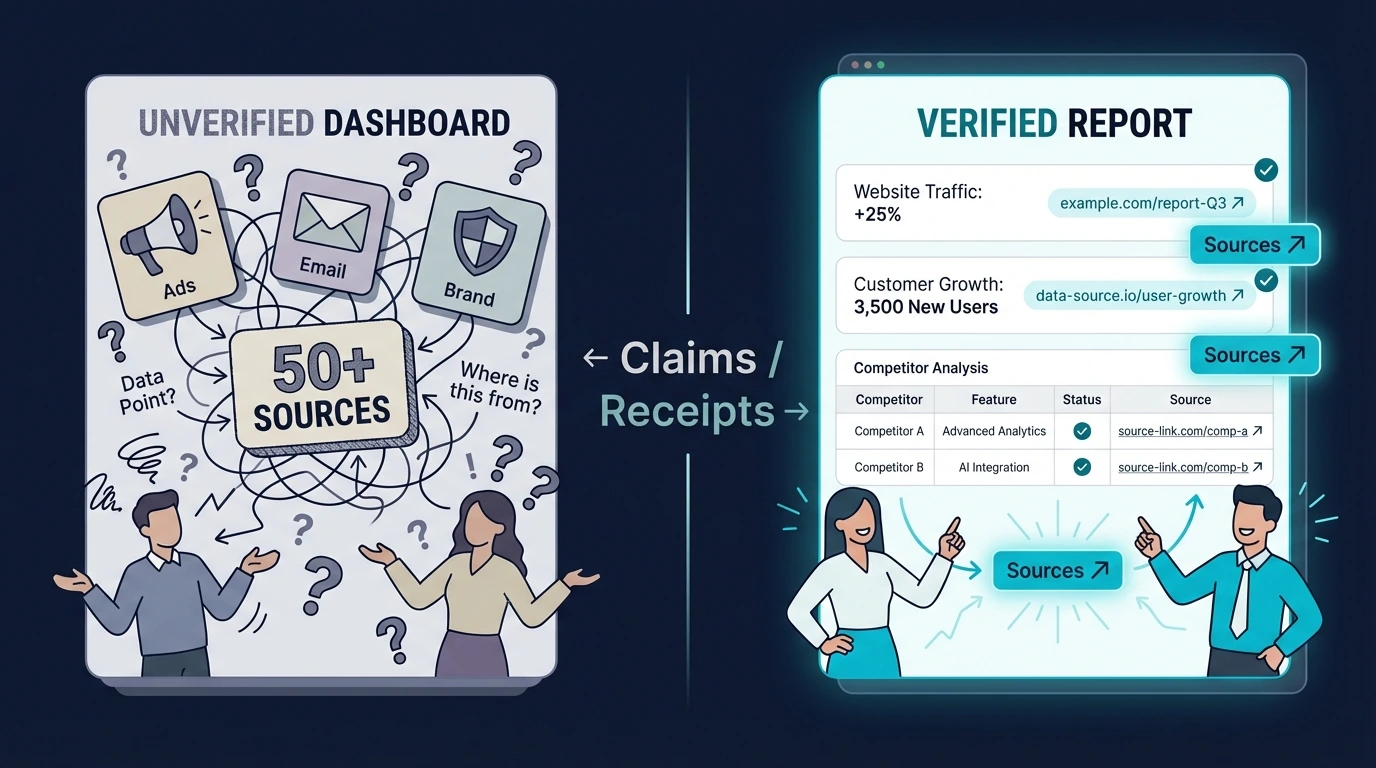
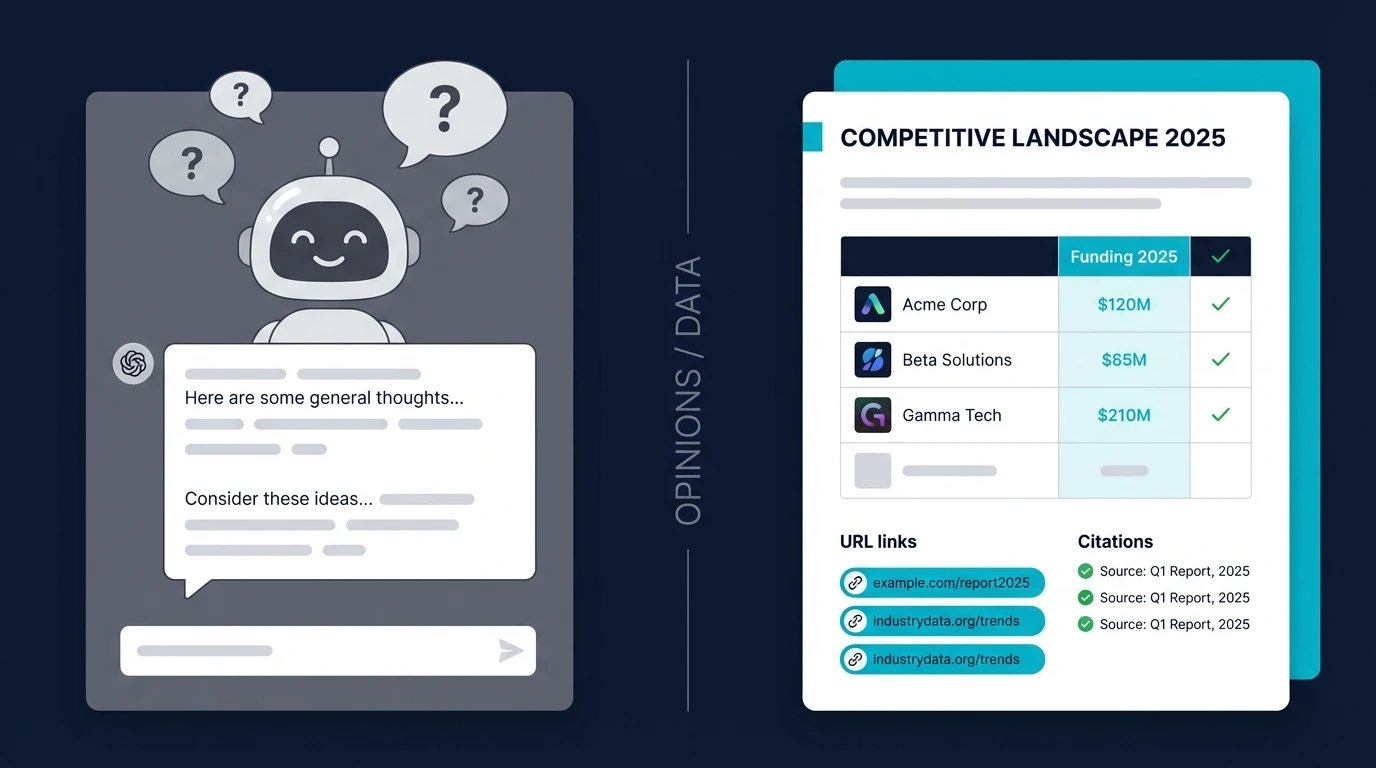
Don't want to do this manually? TestYourIdea runs this validation automatically. Real competitors. Real pricing. Real demand signals. You get a Go/No-Go verdict before you write a single prompt.
Test Your Idea→Free to try. Because the best time to kill a bad idea is before you vibecode it.