Low Validation Score? Good. Here's Why.
Your startup idea scored under 50. Before you trash it, read this. A low score isn't failure - it's data. Here's exactly what to do next.

You typed in your idea. You waited 60 seconds. And the score came back: 38.
Or 42. Or 51. Whatever the number, it wasn't what you hoped for.
Here's the thing: that score just saved you months.
What a Low Score Actually Means
A low score doesn't mean your idea is worthless. It means one or more of these things:
The market is crowded.
We found 15+ competitors already doing this. That doesn't mean you can't win - it means you need a sharper angle.
The timing is off.
Maybe the market isn't ready. Maybe it peaked 2 years ago. Timing is half the game.
The positioning is wrong.
Same product, different framing = different score. One user tested 4 angles for the same idea. Scores ranged from 42 to 66. The product didn't change. The positioning did.
The target is too broad.
"Everyone who uses email" isn't a target. "Freelance designers who invoice more than 10 clients/month" is. Narrow beats wide.
What NOT to Do
- ✗Don't trash the idea immediately. A low score is a signal, not a verdict. The signal says: "something needs to change." Not: "give up."
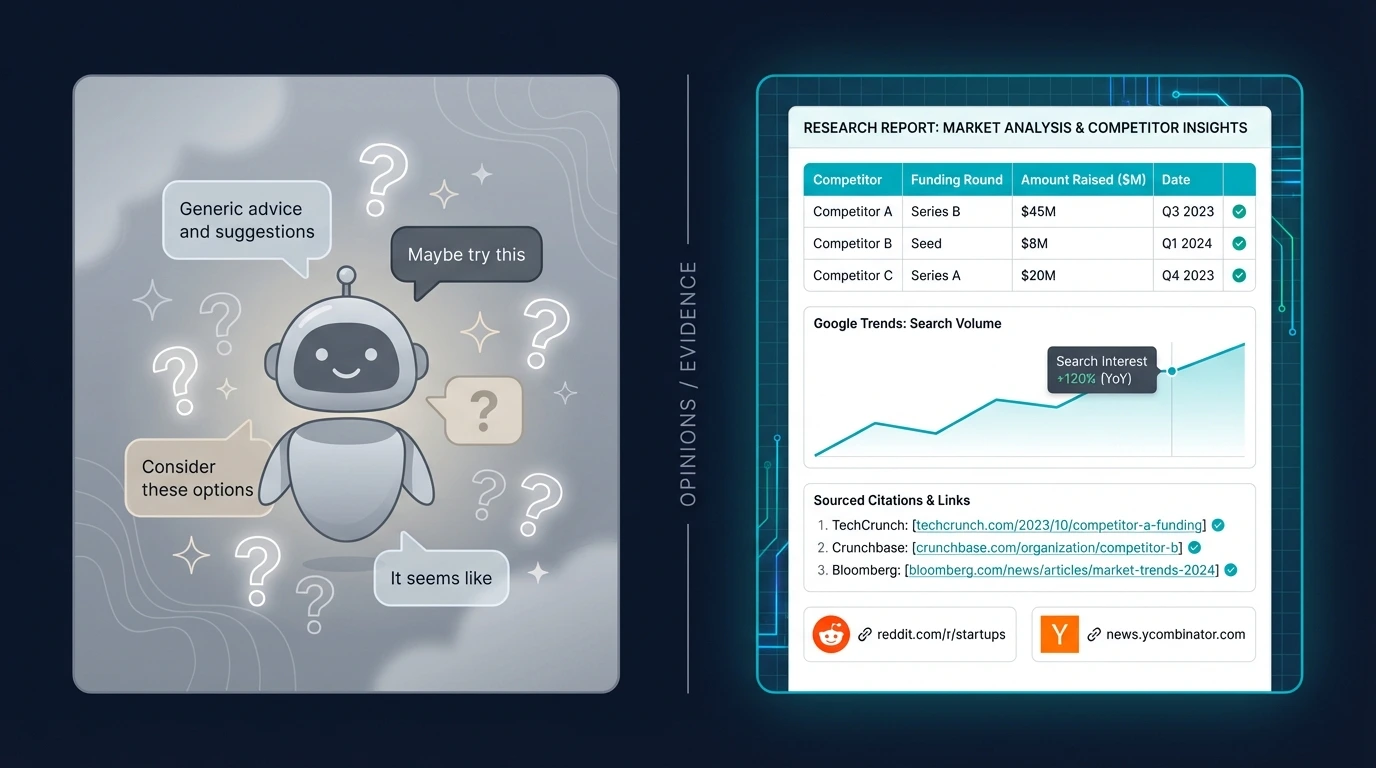
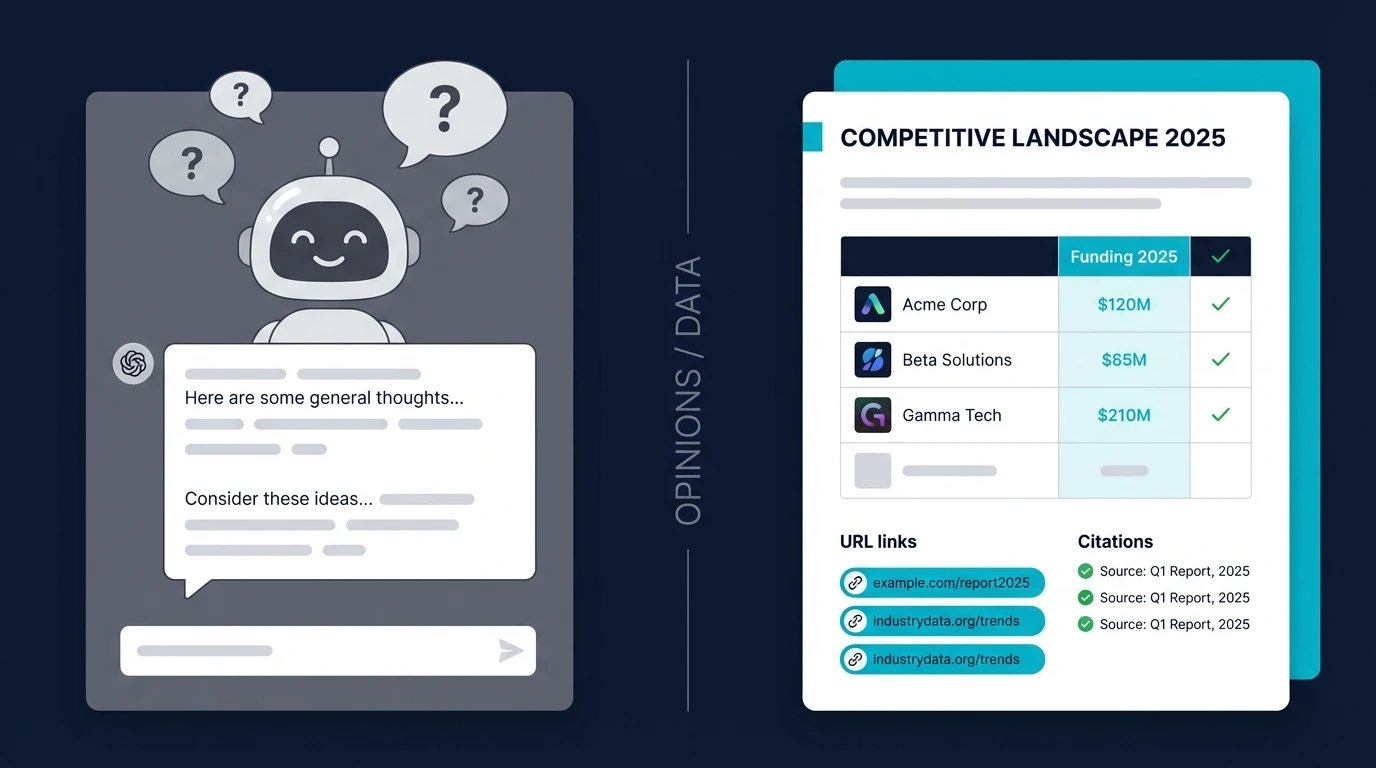
- ✗Don't ignore the score either. If you're tempted to say "the AI doesn't understand my vision" - pause. The score is based on real data: competitors, search trends, community signals. It's not an opinion.
- ✗Don't keep building anyway. The worst outcome isn't a low score. It's spending 6 months building something the market already told you won't work.
What to Do Instead
1. Read the risk flags
Your report shows exactly what's dragging the score down. Is it competition? Market size? Timing? Each problem has a different fix.
2. Try the Boost feature
We built this for exactly this moment. The AI analyzes what's hurting your score and suggests 2-3 pivots that could add +10-20 points.
Same core idea. Different angle. Higher score.
One user went from 47 to 67 by changing two words in their target customer description. That's not luck - that's positioning.
3. Test a different angle
Your idea isn't one thing. It's a bundle of assumptions: who it's for, what problem it solves, how it's different, why now.
Change any of these and you have a different idea with a different score.
| Angle | Score |
|---|---|
| "AI search engine for social commerce" | 42 |
| "Verified vendor marketplace for electronics" | 66 |
Same founder. Same week. Same core product. 24-point difference.
4. Narrow the target
Before: Score 47
"Budget conscious grocery shoppers"
After: Score 67
"Primary grocery shoppers reducing weekly food spending"
Almost identical. But the second is more specific, more actionable, more believable.
The AI isn't random. It's reacting to how real markets work: specific beats generic.
5. Check the competitors
Sometimes a low score means: there's a giant in this space. Google. Amazon. Salesforce.
That's not a death sentence - but it means you need a wedge. A niche they're ignoring. A segment they're underserving.
Your report shows competitor gaps. Use them.
When to Actually Move On
Sometimes the score is right and the answer is: next idea.
Move on if:
- →You've tested 3+ angles and nothing breaks 50
- →The market is genuinely dead (declining search trends, no community activity)
- →The only gap requires something you can't build (patents, regulation, capital)
Moving on isn't failure. It's efficiency. You just saved yourself from being the founder who spent 18 months on something nobody wanted.
The Real Point of Validation
Validation isn't about getting permission to build.
It's about finding the version of your idea that has the best shot.
A low score means you found a version that doesn't work. Good. Now find the one that does.
What Founders Who Scored Low Did Next
Founder A
Scored 41 on a "habit tracking app." Pivoted to "habit tracking for remote teams with accountability partners." New score: 64. Now building.
Founder B
Scored 38 on a "freelance marketplace." Realized the market is saturated. Moved to next idea. Scored 71 on "AI contract review for freelancers." Saved 4 months.
Founder C
Scored 52 on first angle. Used Boost feature. Found a niche positioning. New score: 68. Same product, different framing.
Your Next Move
- 1Go back to your report. Look at risk flags. What's actually dragging you down?
- 2Try the Boost feature. See what pivots the AI suggests. It's free for one use.
- 3Test a new angle. Same product, different positioning. See if the score moves.
- 4Or move on. If nothing works after 3 attempts, that's data too. Next idea.
A low score isn't the end. It's the beginning of finding something better.
Ready to boost your score?
See pivot suggestions that could add +10-20 points to your validation score. Same idea, better positioning.
See pivots that could help→Frequently Asked Questions
Is a score under 50 always bad?
Not always. But it means there are significant risks or gaps. Read the report to understand what's driving it down.
Can I improve my score without changing my idea?
Sometimes. Better positioning, narrower target, or clearer differentiation can move the score 10-20 points without changing the core product.
How many angles should I test?
3-4 is usually enough to find your best positioning. If nothing breaks 50 after 4 tries, consider a different idea entirely.
Why did my score change with tiny wording changes?
Because positioning matters. How you describe your target customer affects which competitors you're compared against and which market signals apply.
Should I trust a low score?
The score is based on real data: competitors, search trends, community discussions. It's not an opinion. But it's also not destiny - it's a snapshot of your current positioning.